

 Home
Home Gift Cards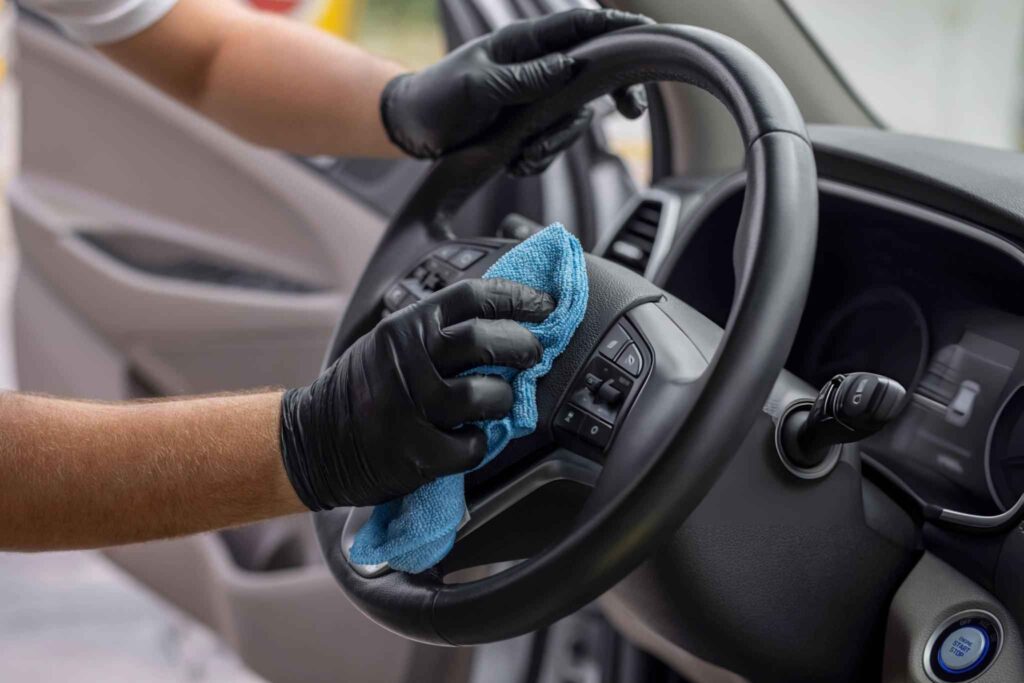
Comprehensive Car Detailing Guide

Detailing a car involves a meticulous cleaning, touching both its exterior and interior. This comprehensive approach aims to enhance the vehicle’s appearance and protect and preserve its value. The exterior detailing includes washing, drying, clay bar application, polishing, and sealing with wax or ceramic coatings. For the interior, the process involves vacuuming, shampooing carpets and upholstery, cleaning and conditioning leather, and dusting and protecting hard surfaces. Together, these efforts restore the car’s shine and cleanliness, offering a refreshed look and feel.
While undertaking car detailing yourself, following the comprehensive guide can significantly enhance and protect your vehicle’s appearance; considering a professional auto detailing service might be beneficial for those seeking the highest quality detailing results. Professional services have access to high-grade products and equipment, coupled with expertise in advanced detailing techniques, ensuring your car not only regains its pristine condition but also receives a level of care difficult to achieve at home. Opting for a professional detailer can also save time and ensure every aspect of your car is treated with the utmost precision, from paint protection to interior refurbishment, adding to your vehicle’s longevity and resale value.
How To Detail a Car at Home
When undertaking car detailing at your residence, you’ll require a mix of specialized automotive care products and everyday household items. Initially, set aside ample time for the task; for newer vehicles that are regularly maintained, this might span a couple of hours, whereas older cars needing more attention could demand a full day’s effort. The duration largely depends on the vehicle’s age and how well it’s been kept up, with a thorough clean potentially spanning from a few hours to an entire day for first-time detailing.
Exterior Detailing Process
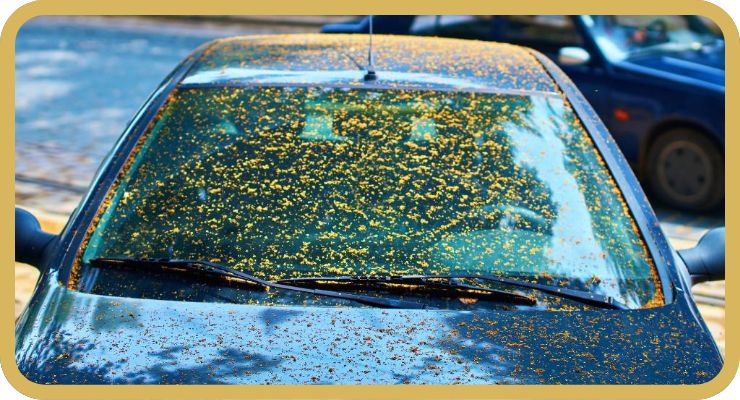
Embarking on exterior detailing is a comprehensive process designed to clean your vehicle and protect and enhance its appearance. This multi-step regimen involves crucial stages, each targeting specific aspects of the vehicle’s exterior maintenance. Starting with a thorough wash to remove dirt and grime, the process transitions to drying and decontamination for a pristine surface. Subsequent steps include paint correction to address imperfections and protective measures to shield the paint from environmental factors. Each phase, detailed below, is integral to achieving a showroom-quality finish.
Start From Top To Bottom
Starting from the top to bottom is a crucial technique in exterior detailing, ensuring that dirt and soap don’t drip onto already cleaned areas. This method maximizes cleaning efficiency and prevents recontamination of the vehicle’s surfaces as you work your way down. It’s especially effective during the washing stage, allowing gravity to assist in the cleaning process and ensuring a thorough, systematic approach to detailing.
Engine Bay Care
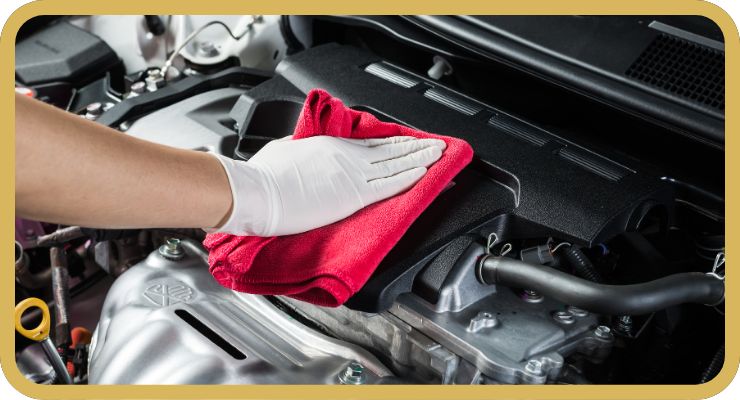
Engine bay care is an essential part of exterior detailing that involves cleaning and protecting the engine and its components. This process can improve your vehicle’s appearance and, potentially, performance. It involves carefully degreasing the engine bay, rinsing it with water (avoiding sensitive electrical parts), and applying protectants to hoses and plastic components to keep them conditioned. Proper engine bay maintenance not only enhances the vehicle’s aesthetic appeal but can also help identify any leaks or issues more efficiently.
Drying Methods
Use microfiber towels or high-quality chamois to dry your vehicle effectively while avoiding water spots and scratches. These materials are gentle on the paint and highly absorbent, reducing the risk of leaving marks. Another method is using a blower or air dryer designed for automotive use, which can remove water from hard-to-reach areas without touching the surface. Always dry in a shaded area to prevent the sun from drying the water too quickly, which can leave spots. Remember, gentle patting or dragging the towel across the surface minimizes the risk of scratches.
Paint Decontamination
Paint decontamination with clay bars involves gliding the clay gently over the lubricated paint surface to pick up and remove embedded contaminants such as tar, tree sap, and metal particles. Before using a clay bar, ensure the vehicle is clean and dry to avoid scratching. Properly knead the clay to expose a fresh surface as you work around the car. Using a clay lubricant or detail spray enhances the clay’s ability to move smoothly over the paint, ensuring effective decontamination without damage.
Paint Protection
For long-lasting shine and protection, applying sealants or ceramic coatings is essential. Sealants offer a durable barrier against environmental elements, extending the paint’s life. Ceramic coatings provide even stronger protection with added benefits like enhanced gloss and improved scratch resistance. Both options require a clean, contaminant-free surface for optimal adhesion. The proper application involves evenly distributing the product over the vehicle’s exterior and allowing it to cure, following manufacturer instructions for the best results. These protective layers preserve the paint and make future cleaning easier.
Interior Detailing Steps

Interior detailing involves a thorough cleaning process to ensure every component inside the car is immaculate. Start by vacuuming the upholstery, carpets, and hard-to-reach areas to remove dust and debris. Then, shampoo the carpets and upholstery to tackle stains and embedded dirt. Use a gentle cleaning solution to wipe away grime without damaging the material for hard surfaces like the dashboard, door panels, and center console. Attention to detail, such as treating leather surfaces with a conditioner, can rejuvenate the interior, making it look and feel fresh and well-maintained.
Also Read: Top 7 Benefits of Interior Car Detailing
Remove Unpleasant Odours
To remove unpleasant odours from your car’s interior, start by thoroughly cleaning all surfaces and fabrics. Use a mixture of water and vinegar or a specialized odour-eliminating product to treat areas that smell. Baking soda can be sprinkled on carpets and upholstery, left to sit overnight, and then vacuumed up, as it’s excellent for absorbing odours. For persistent smells, consider using a car odour eliminator bomb or an ozone generator, but ensure you follow the safety instructions carefully. Regular maintenance and keeping the interior dry can prevent odours from returning.
Cleaning Fabrics and Upholstery
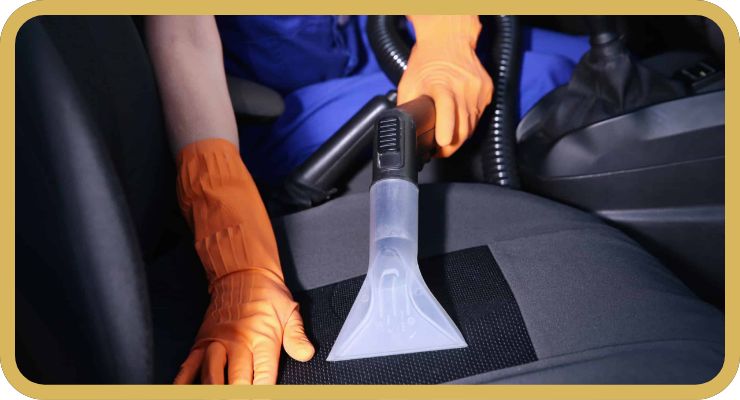
For cleaning fabrics and upholstery, use a vacuum to eliminate loose debris first. Apply a cleaning solution suited for the material, targeting stains specifically. Gently brush the area with a soft brush or cloth to work in the cleaner without saturating the fabric. Rinse lightly or dab with a damp cloth, then let it air dry thoroughly. For persistent stains, repeat the process or use a fabric-specific stain remover. Regular maintenance and immediate attention to spills can prevent long-term damage and keep upholstery looking fresh.
Leather Care
For leather care, regularly clean the surface with a mild leather cleaner to remove dirt and oils. Apply a small amount, gently rubbing in circular motions with a soft cloth. After cleaning, use a leather conditioner to keep the material supple and prevent cracking. Apply the conditioner sparingly, ensuring even coverage without saturating the leather. Allow it to absorb and dry before using the vehicle. Avoid direct sunlight and extreme temperatures to preserve the leather’s appearance and longevity. Regular maintenance ensures durability and keeps the leather looking its best.
Dashboard and Trim
For dusting the dashboard and trim, use a microfiber cloth to gently remove dust without scratching the surfaces. Apply a UV protectant to both the dashboard and trim to guard against sun damage, fading, and cracking. Choose a protectant that leaves a non-greasy finish to maintain the appearance and feel of these surfaces. Regularly cleaning and protecting the dashboard and trim keeps them looking new and extends their life. Avoid harsh chemicals that can damage the finish or colour of your interior components.
Save Your Glass For Last
When detailing your car, save cleaning the glass for last to prevent recontamination from other cleaning processes. Use a high-quality glass cleaner and a microfiber towel to avoid streaks. Spray the cleaner directly onto the cloth rather than the glass to reduce overspray onto cleaned surfaces. Clean the interior and exterior of the windows, ensuring to reach the corners. This approach ensures a streak-free finish and prevents the need to redo the glass if it gets dirty from cleaning other parts of the car.
Detailing Tools and Products
You’ll need various tools and products to achieve professional detailing at home. Essential items include microfiber towels for gentle cleaning and drying, pH-neutral car shampoos that safely remove dirt without stripping wax, quality waxes or sealants for exterior protection, and interior protectants to preserve and condition surfaces. A dual-action polisher can be invaluable for paint correction. Additionally, dedicated glass cleaners, leather conditioners, and clay bars will help address specific detailing needs, ensuring a thorough and effective detailing process.
Auto Detailing Mistakes You Should Avoid

When it comes to auto detailing, ensuring you’re equipped with the proper knowledge and tools is crucial for achieving a showroom-quality finish. Avoiding common mistakes is just as important as following the correct procedures. Here are some critical points to remember:
- Wrong Cleaning Fabric: One common mistake in auto detailing is using the wrong type of cleaning cloth or using the same cloth for multiple surfaces. Different materials require specific kinds of clothes to avoid damage. For example, using a rough towel on paint can cause scratches, while a soft microfiber cloth is ideal for most exterior and interior surfaces. It’s essential to use the suitable fabric for the task at hand and switch cloths when moving between cleaning different parts of the car to prevent cross-contamination and ensure the best results.
- Direct Sunlight: Washing your car in direct sunlight or when the vehicle’s surface is hot can lead to premature drying of soap, resulting in water spots and uneven cleaning. The heat can cause cleaning products to evaporate too quickly, preventing them from effectively lifting dirt and grime from the surface. Always opt for washing in a shaded area or during cooler parts of the day to ensure a thorough clean without the risk of damaging the car’s finish.
- Using Dish Soap: Using household cleaning products or dish soap for auto detailing is a mistake that can strip away the car’s protective wax and damage the paint finish. These products are not formulated for automotive paint and can be too harsh, leading to dullness and increased vulnerability to scratches and environmental elements. Using products specifically designed for car detailing is crucial to clean and protect your vehicle safely.
- Same Bucket For Soap & Rinsing: Using the same bucket for both soap and rinsing during car washing can lead to reapplying dirt and grime onto your car’s surface, potentially causing scratches. A two-bucket method is essential: one bucket for soapy water and another for clean rinsing water. This approach ensures that you are not transferring the dirt you just cleaned off back onto the car, helping to maintain the integrity of the vehicle’s paint and finish.
- Cleaning Wheels & Tires Last: Cleaning wheels and tires last can result in splatter on already cleaned vehicle parts, undermining your detailing work. Starting with wheels and tires is recommended to prevent dirt and brake dust from contaminating the car’s body during the cleaning process. This approach ensures a more efficient detailing session, keeping the vehicle’s surface clean and minimizing the need for re-cleaning areas.
Is Matte Paint Hard To Maintain?
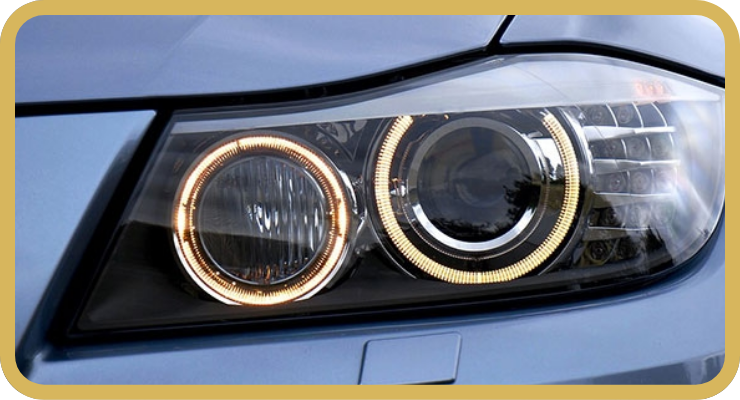
Maintaining matte paint requires a nuanced approach to preserve its unique texture and appearance. Unlike glossy finishes, matte and flat paints do not reflect light in the same way, leading to their distinct visual characteristics. Matte paint has a low-gloss sheen, offering a stylish, contemporary look that’s increasingly popular on vehicles. Flat paint, on the other hand, provides no shine, resulting in a completely non-reflective surface. This subtle difference in finish means each type demands specific care.
For matte finishes, the challenge lies in preserving the non-reflective quality without introducing gloss through incorrect products or techniques. Traditional detailing products, including standard waxes and polishes, are designed to enhance shine, which can alter the intended look of matte paint by adding gloss or creating uneven finishes. Therefore, using products specifically formulated for matte paint care is imperative. These products clean and protect the paint without compromising its matte quality, ensuring the vehicle maintains its intended aesthetic appeal. Specialized matte detailing products avoid silicones and other shining agents, focusing instead on gentle cleaning and protection that respects the unique characteristics of matte finishes.
FAQs
How long does it take to detail my car?
The time it takes to detail a car can vary significantly based on the vehicle’s condition and the level of detail desired. For a relatively new car that has been maintained regularly, detailing could take as little as an hour or two. However, the process could extend to a whole day for older vehicles or those that have not been cleaned in a long time. The duration depends on factors such as the size of the car, the thoroughness of the cleaning, and whether you’re doing a basic cleanup or a comprehensive detailing including interior, exterior, and engine bay.
How often should I detail my car?
The frequency of car detailing depends on various factors, including driving conditions, vehicle usage, and personal preference. Generally, it’s recommended to detail your car every 4 to 6 months to maintain its appearance and protect its surfaces. More frequent detailing may be necessary if your vehicle is subjected to harsh conditions, such as extreme weather or heavy dirt accumulation. Regular detailing keeps the car looking its best and helps preserve its value over time.
What is the difference between car washing and detailing?
Car washing is an essential cleaning process focusing on removing dirt and grime from the exterior of a vehicle. It typically involves a simple soap wash and rinse. On the other hand, car detailing is a comprehensive cleaning and reconditioning of the interior and exterior of the car. Detailing includes deep cleaning, paint protection, and sometimes minor cosmetic repairs, aiming to restore the vehicle to a near-new condition. Detailing is more time-consuming and detailed than standard washing.
Can detailing improve my car’s resale value?
Yes, detailing can significantly improve your car’s resale value. A well-detailed car looks more appealing to potential buyers and suggests that the vehicle has been well-maintained, potentially leading to higher offers. Detailing can help preserve the car’s interior and exterior condition, reducing signs of wear and tear and maintaining the vehicle’s aesthetic appeal. This attention to detail can make a difference in the competitive used car market, often resulting in a quicker sale and a better price.
What’s the best way to clean car wheels and tires?
The best way to clean car wheels and tires involves using dedicated wheel and tire cleaners to remove brake dust, road grime, and dirt effectively. Start by spraying the cleaner onto the wheels and tires, letting it sit for a few minutes to break down the dirt. Use a soft-bristled brush for the wheels and a stiffer brush for the tires to scrub away the grime. Rinse thoroughly with water. Finish by applying a tire protectant to enhance the appearance and protect the rubber for best results.
What is the purpose of a clay bar in detailing?
The purpose of a clay bar in detailing is to remove embedded surface contaminants from a car’s paint that washing alone cannot remove. These contaminants include brake dust, tar, and tree sap, which can adhere to the paint over time. Using a clay bar helps to ensure the paint surface is deeply cleaned and smooth, preparing it for polishing or waxing.

Related Posts
Interior vs. Exterior Car Detailing
There’s more to car detailing than making your vehicle look good. It’s also about preserving…
Can Car Detailing Fix Scratches?
When it comes to keeping our cars looking as good as new, scratches can be…
How Auto Detailing Improves Your Car’s Resale Value
Auto detailing, consisting of interior and exterior treatments, is a meticulous process to restore and…