

 Home
Home Gift Cards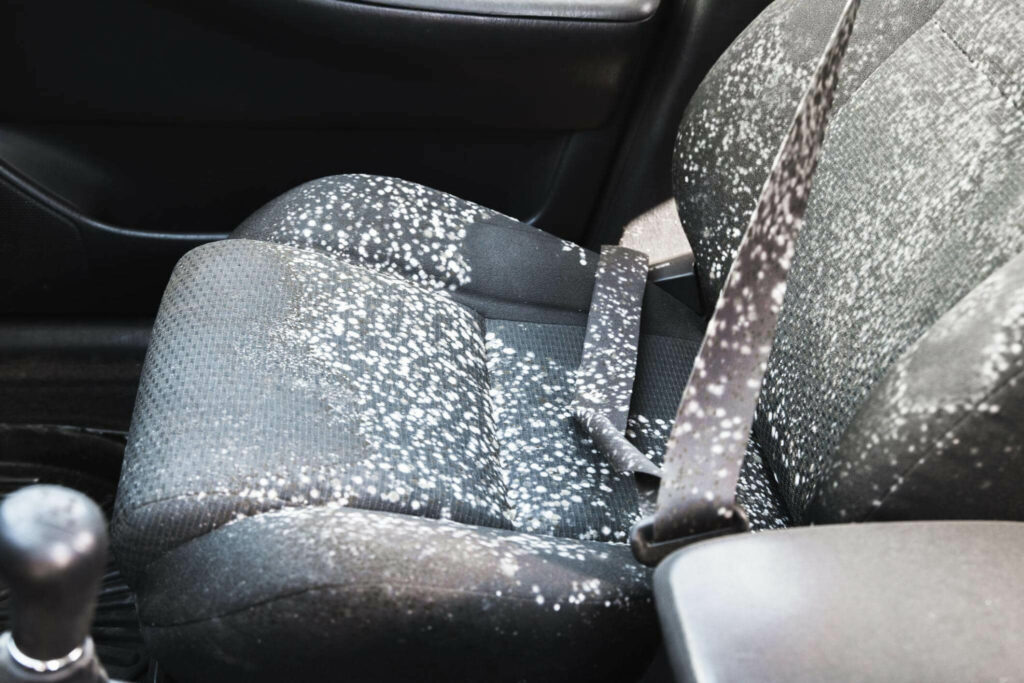
When it comes to maintaining a pristine car interior and preventing mould growth, mobile car detailing services can be a game-changer. These professionals come equipped with the tools, knowledge, and products needed to deep clean your vehicle, targeting areas that are hard to reach and often overlooked during regular cleaning routines.
Mould in the car interior is not just an eyesore; it poses health risks and can damage your vehicle’s aesthetics and resale value. Whether it’s due to leftover moisture, spills, or the aftermath of a flood, getting rid of mould is crucial. In this comprehensive guide, we’ll walk you through the step-by-step process of removing mould from your car interior. We’ll cover everything from identifying mould, choosing the right cleaning supplies, and preventive measures to keep mould at bay. Plus, we’ll share expert tips and safety measures to ensure you tackle the mould problem without compromising your health or damaging your car’s interior. Ready to get your car mould-free and fresh? Let’s dive in.
Identifying the Enemy: Types of Mould in Cars
Before you wage war against mould, it’s crucial to know what you’re dealing with. Mould in cars typically manifests as black, white, or green patches that cling to seats, carpets, and other surfaces. It thrives in moist, warm environments and can spread quickly if not addressed. Recognizing mould early is key to preventing its spread and protecting your health.
Suit Up: Safety Measures Before You Begin
Safety first! Mould exposure can lead to respiratory problems, allergies, and other health issues. Before you start the cleanup process, gear up with the right safety equipment:
- Wear protective gloves to avoid direct contact with mould.
- Use a face mask (N95 or higher) to prevent inhaling mould spores.
- Consider safety goggles to protect your eyes from mould and cleaning agents.
Tools of the Trade: What You’ll Need
Arm yourself with the right tools and cleaning solutions to effectively remove mould from your car interior:
- Vacuum cleaner with a HEPA filter to capture mould spores.
- A mixture of water and white vinegar (equal parts) or a commercial mould remover designed for car interiors.
- A spray bottle for applying cleaning solutions.
- A soft brush or cloth to scrub affected areas without damaging surfaces.
- Baking soda to absorb moisture and odors.
The Battle Plan: Step-by-Step Mould Removal
- Preparation: Start by removing all items from your car to assess the mould situation thoroughly. Vacuum the interior to remove loose spores and debris.
- Ventilation: Open all doors and windows to ensure good airflow. This will help reduce the concentration of mould spores in the air as you clean.
- Cleaning Solution: Mix your cleaning solution (water and vinegar or a commercial mould remover) in a spray bottle. Generously spray affected areas, allowing the solution to soak in for at least 15 minutes.
- Scrubbing Time: Gently scrub the mouldy areas with a soft brush or cloth. Be thorough but gentle to avoid damaging your car’s interior surfaces.
- Rinse and Dry: Wipe away the cleaning solution and mould residue with a damp cloth. Then, dry the area thoroughly with a clean towel or by leaving the windows open to air dry. Remember, moisture is mould’s best friend, so ensuring everything is dry is crucial.
- Odor Removal: Sprinkle baking soda on the treated areas and let it sit for a few hours or overnight. Vacuum it up to remove any lingering odors and absorb residual moisture.
- Preventive Measures: Keep your car dry and well-ventilated. Regularly check for leaks and fix them promptly. Use moisture absorbers or silica gel packets in your car to keep humidity levels low.
Aftercare: Keeping Mould at Bay
The key to preventing mould from making a comeback is regular maintenance and vigilance. Here are some tips to keep your car mould-free:
- Regular Cleaning: Vacuum and clean your car’s interior regularly to prevent the accumulation of organic materials that mould can feed on.
- Deal with Spills Immediately: Moisture is mould’s playground. Dry any spills or condensation as soon as possible to prevent mould growth.
- Use Sunlight: Whenever possible, park your car in sunlight. Mould hates sunlight, and the UV rays can help kill spores and keep your car dry.
Mould in your car’s interior is a nuisance that can pose health risks and damage your vehicle. However, with the right approach and tools, you can remove mould and prevent it from returning. Remember to prioritize safety, use the appropriate cleaning solutions, and maintain a dry, well-ventilated car interior. By following these tips and taking preventive measures, you can ensure your car remains a mould-free zone, providing a safe and pleasant environment for all your journeys.
Preventative Measures Taken by Mobile Car Detailing Services
- Deep Cleaning: Regular deep cleaning by a mobile car detailing service can remove the organic matter and moisture that mould needs to thrive.
- High-Quality Products: Detailing services use professional-grade cleaning solutions that can more effectively combat mould and prevent its growth, compared to regular household cleaners.
- Moisture Elimination: By using industrial-strength vacuums and air movers, mobile detailers ensure that your car’s interior is thoroughly dried, leaving no dampness behind where mould could grow.
Choosing the Right Mobile Car Detailing Service for Mould Prevention
When selecting a mobile car detailing service, consider the following:
- Experience with Mould: Look for services that have specific experience dealing with mould in car interiors.
- Reviews and Recommendations: Check online reviews or ask for recommendations from friends or family to find a reputable service.
- Eco-Friendly Options: If you’re concerned about harsh chemicals, look for services that offer eco-friendly cleaning options.
There you have it—a comprehensive guide to removing mould from your car’s interior. Armed with this knowledge, you’re well-equipped to tackle mould head-on, ensuring your car stays fresh, clean, and safe. Happy cleaning!
FAQs: Mould Removal from Car Interiors
Can I use bleach to remove mould from my car?
While bleach can kill mould on non-porous surfaces, it’s not recommended for car interiors as it can damage fabrics and materials. Stick to milder solutions like vinegar or commercial mould removers designed for cars.
How often should I clean my car to prevent mould?
Regularly, depending on usage and exposure to moisture. A monthly deep clean and immediate attention to spills or moisture can significantly reduce the risk of mould.
What if the mould keeps coming back?
Persistent mould could indicate a deeper issue, like leaks or poor ventilation. Address these underlying problems to prevent mould from returning.
What causes mould to grow in cars?
Mould growth in cars is primarily caused by moisture. This can be due to spills, humidity, leaks, or leaving the car closed up for extended periods, especially in warm conditions. Mould thrives in damp, dark environments, making neglected car interiors a perfect breeding ground.
Can mould in my car make me sick?
Yes, mould can pose health risks, especially to those with mould allergies, respiratory conditions, or weakened immune systems. Exposure to mould spores can lead to symptoms like coughing, sneezing, watery eyes, and skin irritation. In severe cases, it can cause more serious respiratory issues.
Is it safe to remove mould from my car by myself?
In most cases, yes, especially if the mould coverage is minimal and you’re not allergic to mould. However, it’s crucial to wear protective gear, such as gloves and a mask, to avoid exposure to mould spores. If the mould infestation is extensive, or if you have health concerns, consider hiring a professional.
How can I tell if the mould is completely gone from my car?
After cleaning, give your car a thorough inspection and sniff test. No visible mould and a significant improvement in odor are good indicators. However, since mould spores are microscopic, if you’re concerned about residual spores, a professional car detailer who specializes in mould remediation can provide a more thorough assessment.
What should I do if mould keeps coming back after I clean it?
If mould returns despite thorough cleaning, there might be an underlying issue, such as a persistent leak or high humidity levels in your area. Address these issues to prevent mould from returning. For stubborn mould problems, consulting with a professional might be necessary.

Related Posts
Interior vs. Exterior Car Detailing
There’s more to car detailing than making your vehicle look good. It’s also about preserving…
Top 7 Benefits of Interior Car Detailing
When considering automotive care, the emphasis often falls on exterior maintenance, overlooking the significance of…
Ultimate Guide to Interior Car Detailing: Tips and Tricks
Introduction to Interior Car Detailing Interior car detailing is a comprehensive cleaning process that focuses…